← Back to all courses Ku noqo dhammaan koorsooyinka
English 9
Short fiction, myth, poetry, Shakespeare, Things Fall Apart, argument and research.
Somali support text on this page is a draft, needs native review. Qoraalka Soomaaliga waa qabyo oo wuxuu sugayaa dib-u-eegis.
About this course
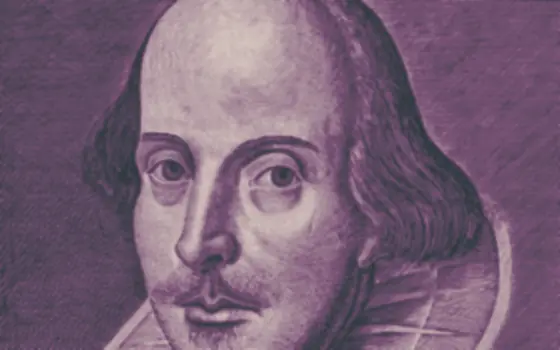
English 9 is about reading closely, writing clearly and speaking with confidence. In this one-credit course you will read short stories by Edgar Allan Poe and Flannery O'Connor, travel with Odysseus, listen to the rhythm of Langston Hughes, step into Macbeth's Scotland, and study Chinua Achebe's Things Fall Apart, a novel set in West Africa that many students say feels close to home. You will also learn grammar that makes your writing sharper, how to spot weak arguments and logical fallacies, and how to check whether a source online can be trusted. Stories from Minneapolis, Nairobi and Mogadishu are part of our conversations, because your own experience is a strength in this class. Each unit includes short video lessons with checkpoints, guided notes, discussions and a writing or speaking task. By the end of the course you will write a literary analysis essay, a personal narrative and a research-based argument.
Before you start
None. Open to all grade 9 students. English learners are welcome; vocabulary supports are built in.
What you will learn
- Students will read and analyze short fiction, poetry, drama, epic and the novel for theme, character and craft.
- Students will write a personal narrative using vivid description and clear structure.
- Students will write literary analysis paragraphs and essays supported by evidence from the text.
- Students will use correct grammar and punctuation, including semicolons and colons, to make writing clearer.
- Students will identify claims, evidence and logical fallacies in arguments.
- Students will evaluate online sources using lateral reading and cite sources honestly to avoid plagiarism.
- Students will speak and record short presentations that explain their thinking.
Units and lessons
Unit 1: Short fiction
- Why read Edgar Allan Poe?
- The elements of a story
- First, second and third person
- The Tell-Tale Heart: summary and analysis
- The Tell-Tale Heart: a close reading
- How to make writing suspenseful
- Foreshadowing: clues in fiction
- Setting and mood
- The Cask of Amontillado: themes
- Why read Flannery O'Connor?
- A Good Man Is Hard to Find: themes
- Understanding theme
Unit 2: Narrative writing
- 4 ways to tell a great story
- Pixar in a Box: Story Structure
- Narrative Writing: Conflict and Plot
- The power of a great introduction
- How to write descriptively
- Show, Don't Tell Using the Senses
- Using Precise Words
- 4 Principles for Writing Dialogue
- Commas in Dialogue
- Developing Small Moments in Your Story
- Three anti-social skills to improve your writing
- Revising vs. Editing
Unit 3: Myth and epic
- What is an epic?
- What makes a hero?
- Everything you need to know to read Homer's Odyssey
- The Odyssey summarized
- The Odyssey, Book 1
- The science behind the myth: the Odyssey
- The Odyssey, Book 12
- The Odyssey, Book 21
- Themes in the Odyssey
- The myth of Icarus and Daedalus
- The myth of Arachne
- The myth of Anansi, the trickster spider
Unit 4: Poetry
- What makes a poem a poem?
- The elements of a poem
- What is imagery?
- Figurative language
- The art of the metaphor
- The pleasure of poetic pattern
- Poetry structures
- The Harlem Renaissance: an explosion of art
- Langston Hughes and the Harlem Renaissance
- "Harlem" summary
- "I, Too" summary
- Integrating quotes when writing about poetry
Unit 5: Grammar and style
- Does grammar matter?
- Dependent and independent clauses
- Phrases and clauses
- How to use a semicolon
- Introduction to the semicolon
- The linking function of the colon
- Colons and semicolons compared
- Run-ons and comma splices
- FANBOYS: coordinating conjunctions in compound sentences
- Comma story
- What is code-switching?
- How languages evolve
Unit 6: Shakespeare
- Why Read Macbeth?
- Macbeth: Plot Summary
- What Is a Tragedy?
- Character Analysis: Macbeth
- Why Shakespeare Loved Iambic Pentameter
- Hearing Iambic Pentameter
- What Is a Soliloquy?
- Macbeth Act 1, Scene 7
- Free Will, Witches and Macbeth
- Macbeth: Themes
- Shakespeare's Tragedies and Acting
Unit 7: The novel
- Chinua Achebe: A Writer for His People
- British Colonization of Nigeria
- Things Fall Apart, Chapter 1: Meet Okonkwo
- Things Fall Apart, Chapter 2: Umuofia and Okonkwo's Household
- If One Finger Brought Oil: Things Fall Apart Part 1
- Things Fall Apart, Chapter 10: Igbo Justice
- Things Fall Apart: The Main Characters
- Things Fall Apart, Chapter 18: The Church and the Outcasts
- Things Fall Apart, Chapter 20: A Changed Umuofia
- Things Fall Apart Part 2: Colonialism and the Ending
- Things Fall Apart: Major Themes
- Citing Evidence in Literary Analysis
Unit 8: Argument and rhetoric
- What is an argument?
- How parts of an argument make a whole
- Evaluating reasoning and evidence
- The conjunction fallacy
- Ad hominem, straw man and false dilemma
- The slippery slope fallacy
- Rhetoric: ethos, logos and pathos
- Aristotle, Joshua Bell and persuasion
- Rhetorical devices and appeals
- The rhetorical situation
- Analyzing 'I Have a Dream'
- How to write a rhetorical analysis
Unit 9: Research and media literacy
- Why we need to check online information
- Lateral reading
- Authority and perspective
- Evaluating evidence
- Evaluating photos and videos
- How false news can spread
- Developing a research question
- The perils of plagiarism
- Types of plagiarism
- Quoting, paraphrasing and summarizing
- MLA in-text citations
Minnesota standards
This course follows the Minnesota K-12 Academic Standards in English Language Arts for grades 9-10: Reading Literature, Reading Informational Text, Writing, Speaking, Viewing, Listening and Media Literacy, and Language. Each unit names the strands it practices.
Unit 1: Short fiction
- 9.1.4.1 Cite strong and thorough textual evidence to support conclusions of what a text says explicitly as well as inferences drawn from text including making connections to other texts; objectively summarize the text.
- 9.1.4.2 Analyze the themes or central ideas, including how it emerges and shaped by specific details, of multiple texts, considering author perspective, identity, and bias.
- 9.1.5.1 Evaluate the impact of author's use of literary elements on the structure of a text (e.g., narrator point of view, foreshadowing, pacing, and flashbacks).
Unit 2: Narrative writing
- 9.2.6.1 Write to create, applying basic and advanced literary techniques as observed in mentor texts to various tasks and purposes, in various literary forms.
- 9.2.6.2 Model use of structural elements of mentor texts, in written narratives, poetry, or other creative text.
- 9.2.3.1 Plan and draft multiple pieces and engage with readers in a variety of ways to solicit feedback; incorporate feedback to develop and strengthen writing through revision, editing, and publication.
- 9.2.2.2 Write to reflect how personal identities and the intersection of identities inform perspective.
Unit 3: Myth and epic
- 9.1.4.3 Compare and contrast characters, attending to character complexity (e.g., those with multiple or conflicting motivations), in one or more literary texts.
- 9.1.4.2 Analyze the themes or central ideas, including how it emerges and shaped by specific details, of multiple texts, considering author perspective, identity, and bias.
- 9.1.2.3 Locate, select, and read texts by two authors on the same topic or theme.
- 9.1.4.1 Cite strong and thorough textual evidence to support conclusions of what a text says explicitly as well as inferences drawn from text including making connections to other texts; objectively summarize the text.
Unit 4: Poetry
- 9.1.8.1 Analyze the impact of specific word choices, rhythm, meter, or other style choices on meaning and tone on literary text (e.g., word choices that allude to culture, time period, or geography).
- 9.1.6.1 Examine how the author's, including Dakota and Anishinaabe authors, purpose, stated identities, biases, and perspective shape the content and style of a text.
- 9.2.5.2 Write to respond to a literary text, including analysis of narrative elements (e.g., writing personal reactions, analysis, and interpretation of text).
- 9.1.4.1 Cite strong and thorough textual evidence to support conclusions of what a text says explicitly as well as inferences drawn from text including making connections to other texts; objectively summarize the text.
Unit 5: Grammar and style
- 9.2.1.3 Write with sufficient command of grammar and mechanics to influence voice and style (e.g., parts of speech, sentence structures, pronoun/antecedent agreement).
- 9.2.3.2 Vary word usage and sentence structure for effect, considering audience and context.
- 9.3.2.1 Adapt speech, writing, or communications to a variety of contexts, audiences, tasks, demonstrating command of formal English when indicated or appropriate.
Unit 6: Shakespeare
- 9.1.4.3 Compare and contrast characters, attending to character complexity (e.g., those with multiple or conflicting motivations), in one or more literary texts.
- 9.1.8.1 Analyze the impact of specific word choices, rhythm, meter, or other style choices on meaning and tone on literary text (e.g., word choices that allude to culture, time period, or geography).
- 9.1.5.1 Evaluate the impact of author's use of literary elements on the structure of a text (e.g., narrator point of view, foreshadowing, pacing, and flashbacks).
- 9.3.2.1 Adapt speech, writing, or communications to a variety of contexts, audiences, tasks, demonstrating command of formal English when indicated or appropriate.
Unit 7: The novel
- 9.1.4.2 Analyze the themes or central ideas, including how it emerges and shaped by specific details, of multiple texts, considering author perspective, identity, and bias.
- 9.1.4.3 Compare and contrast characters, attending to character complexity (e.g., those with multiple or conflicting motivations), in one or more literary texts.
- 9.1.6.1 Examine how the author's, including Dakota and Anishinaabe authors, purpose, stated identities, biases, and perspective shape the content and style of a text.
- 9.2.5.2 Write to respond to a literary text, including analysis of narrative elements (e.g., writing personal reactions, analysis, and interpretation of text).
- 9.1.4.1 Cite strong and thorough textual evidence to support conclusions of what a text says explicitly as well as inferences drawn from text including making connections to other texts; objectively summarize the text.
Unit 8: Argument and rhetoric
- 9.1.6.3 Delineate the argument and specific claims in a text; identify false statements and fallacious reasoning.
- 9.1.7.1 Compare and contrast the arguments of two authors with different perspectives on the same topic to evaluate arguments using relevance and sufficiency of evidence and validity of reasoning.
- 9.1.4.4 Analyze how an author unfolds an analysis or series of ideas or events, including the order in which points are made, how they are introduced and developed, and the connections that are drawn between them, in informational text.
- 9.2.4.1 Write to argue, basing argument, and counterargument, with evidence, on personally relevant and authentic issues, building on skills from previous years.
Unit 9: Research and media literacy
- 9.1.9.1 Access information from a wide variety of sources, on both sides of an issue, or from multiple perspectives, in the process of inquiry.
- 9.1.9.2 Evaluate perspective, bias, credibility, relevancy, and sufficiency of sources, accessing additional sources as needed.
- 9.1.6.2 Examine the impact of a text's publishing date on its current validity and credibility, in literature, social studies, or science.
- 9.2.7.1 Formulate self-generated questions that guide inquiry to solve a problem, generating additional questions for further research and investigation.
- 9.2.7.2 Plan and conduct independent research, synthesizing information from a wide variety of sources, demonstrating understanding of subject of investigation, and share findings in writing.
- 9.2.8.1 Use and cite a wide variety of print and digital sources, quoting, paraphrasing, and summarizing, avoiding plagiarism and following the guidelines in a style manual appropriate for the discipline and purpose, with guidance.